

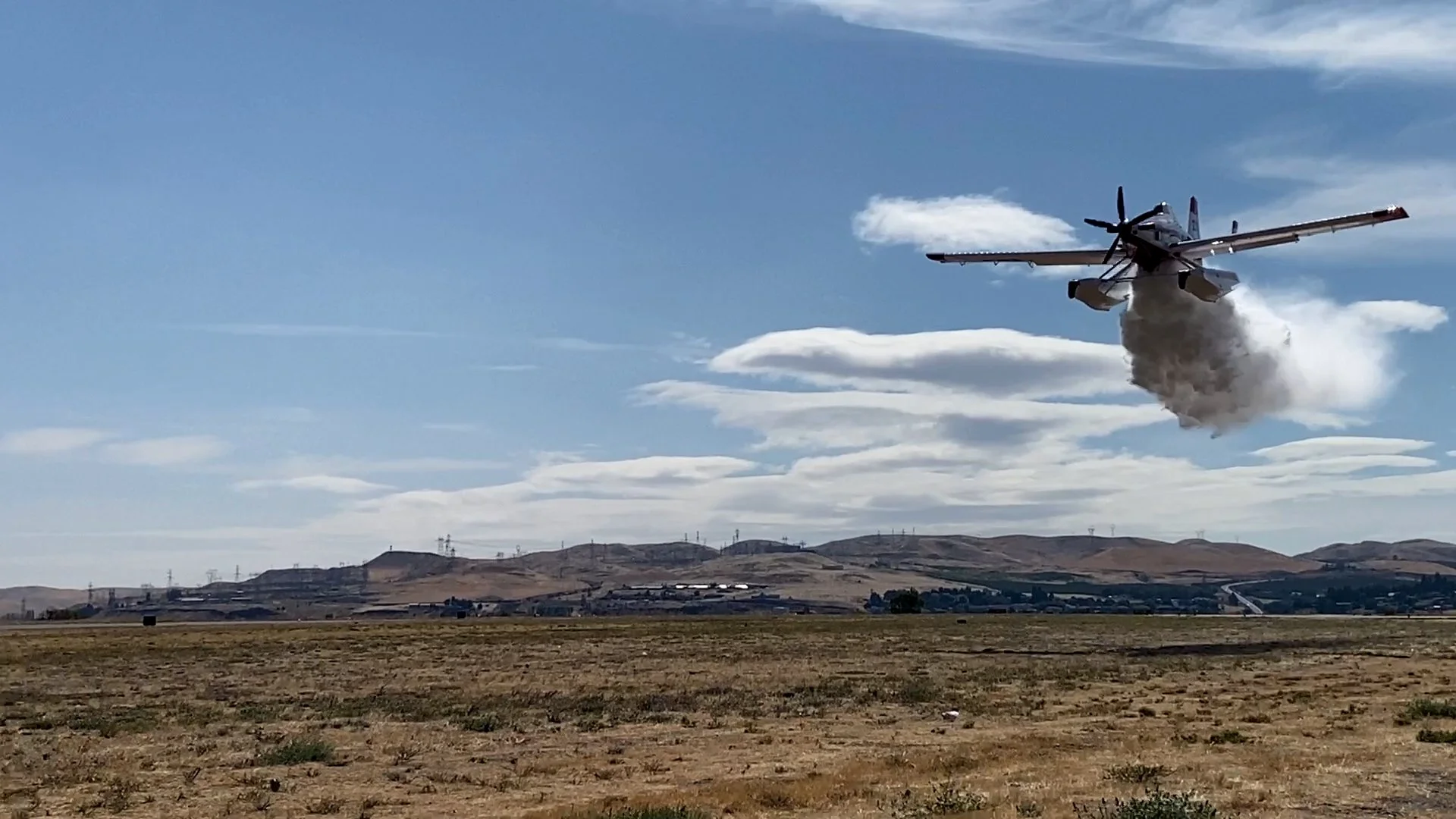
Wildfire Resilience
Protecting Eastern Oregon and House District 57 from catastrophic wildfire is not a partisan issue,it is about our community's survival, economic stability, and caring for the land we call home.
We need to build trust across our expansive nine-county district and we start by aligning our wildfire resilience with work in; stewardship, local empowerment, and practical action
Empowering Local Fire Districts and First Responders
In rural Oregon, volunteer fire departments and local rangeland protection associations (RPAs) are the first line of defense. They know every back road, fence line, and water draw in our counties. Decisions made in Salem should serve, support and protect the heroic firefighters and responders, working tirelessly to keep our families and and their homes safe from the growing fires in our region.
Josiah’s Plan:
Direct more state grant opportunities straight to rural fire districts to upgrade aging gear, radios, and firefighting equipment. .
Strengthen partnerships and collaboration between local Rangeland Protection Associations, state agencies, and federal land managers so local volunteers can act swiftly when smoke rises.
Secure dependable funding and training resources for volunteer firefighters without drowning rural departments in urban-style administrative mandates.
Active Land Management and Stewardship
A healthy landscape is a resilient landscape. True wildfire prevention requires active, practical management across public, private, and tribal lands. Good stewardship means caring for the forest and rangeland so they can sustain our communities for generations.
Josiah’s Plan:
Expand cross-boundary fuels reduction projects such as strategic thinning, brush clearing, and controlled winter burning—using tools from state and federal landscape resiliency programs.
Support family forestland owners and ranchers through practical incentive programs (like the Small Forestland Grant Program) that assist with the costs of defensible space and fuel reduction.
Put local timber, restoration, and livestock operators to work clearing brush, maintaining fuel breaks, and thinning overgrown areas..
Neighbor-to-Neighbor Community Defense
Wildfire preparedness is rooted in rural self-reliance and neighbors helping neighbors. It is about keeping homes, barns, and livestock safe without burdensome regulations.We protect our communities best when we give local property owners the tools, support, and choice to prepare.
Josiah’s Plan:
Support voluntary, local Community Wildfire Protection Plans (CWPPs) developed by county commissioners, fire chiefs, and residents, ensuring our towns get priority access to federal defense funds.
Provide direct cost-share programs for ranchers and homeowners to create defensible space, clear irrigation ditches, and upgrade water storage.
Expand reliable rural broadband and emergency alert coverage across dead zones in District 57 so every family receives timely evacuation and safety notifications.
Community Wildfire Protection Plan example from Wasco County completed in 2022
Economic Recovery and Infrastructure Protection
When wildfire strikes, the impact goes far beyond the flames, it hits local crops, grazing lands, power grids, and county budgets. Protecting our land means protecting our livelihoods, our cattle, and our local economy.
Josiah’s Plan:
Ensure rapid post-fire recovery assistance for agricultural producers to rebuild fences, restore damaged pastures, and protect critical watersheds from erosion.
Work alongside local utilities to harden rural power lines and critical infrastructure against ignition risks without passing sky-high utility rates down to rural working families.
Partner with local insurance providers and the state to ensure rural homeowners and small businesses remain covered and financially secure.
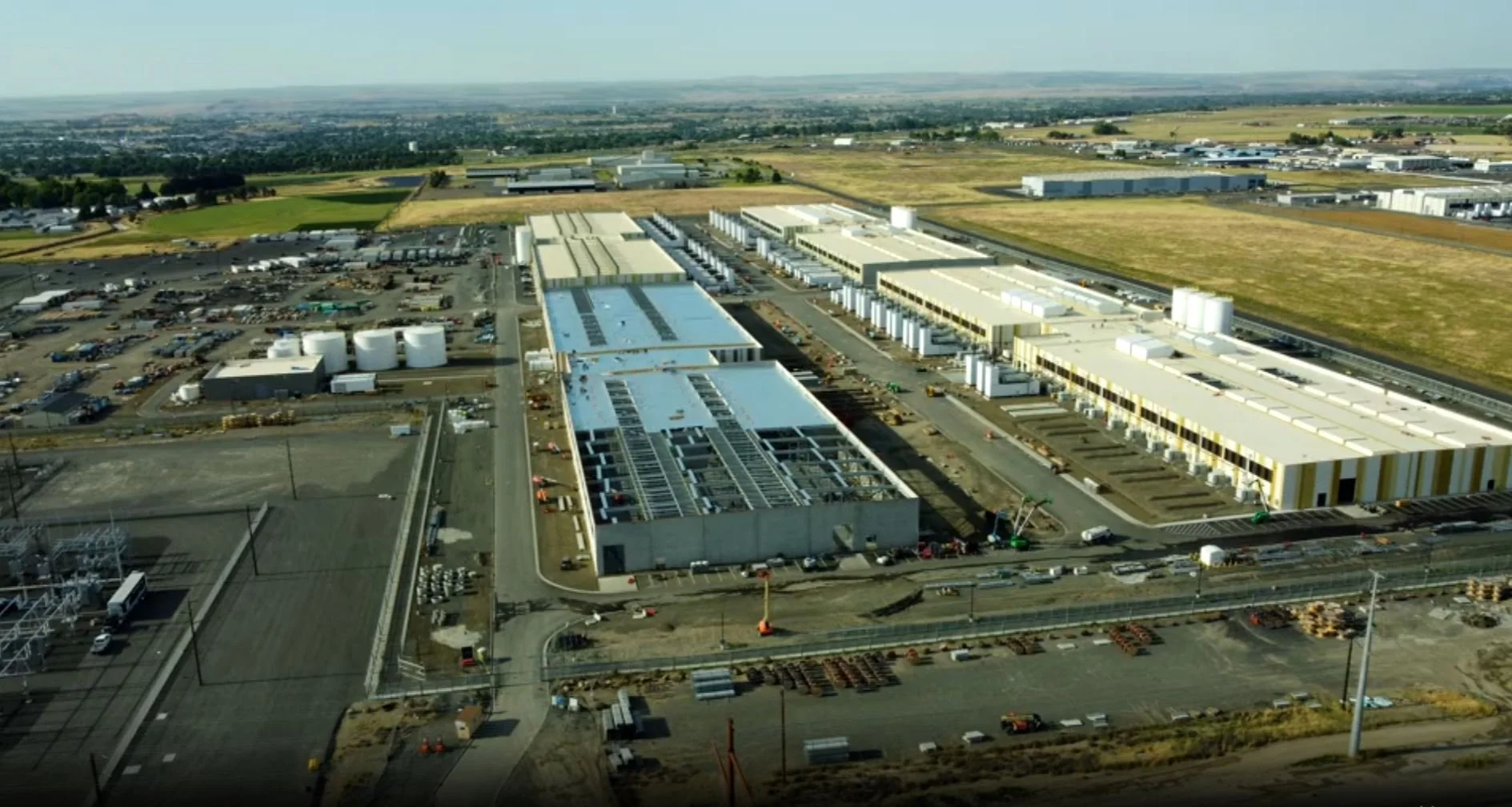

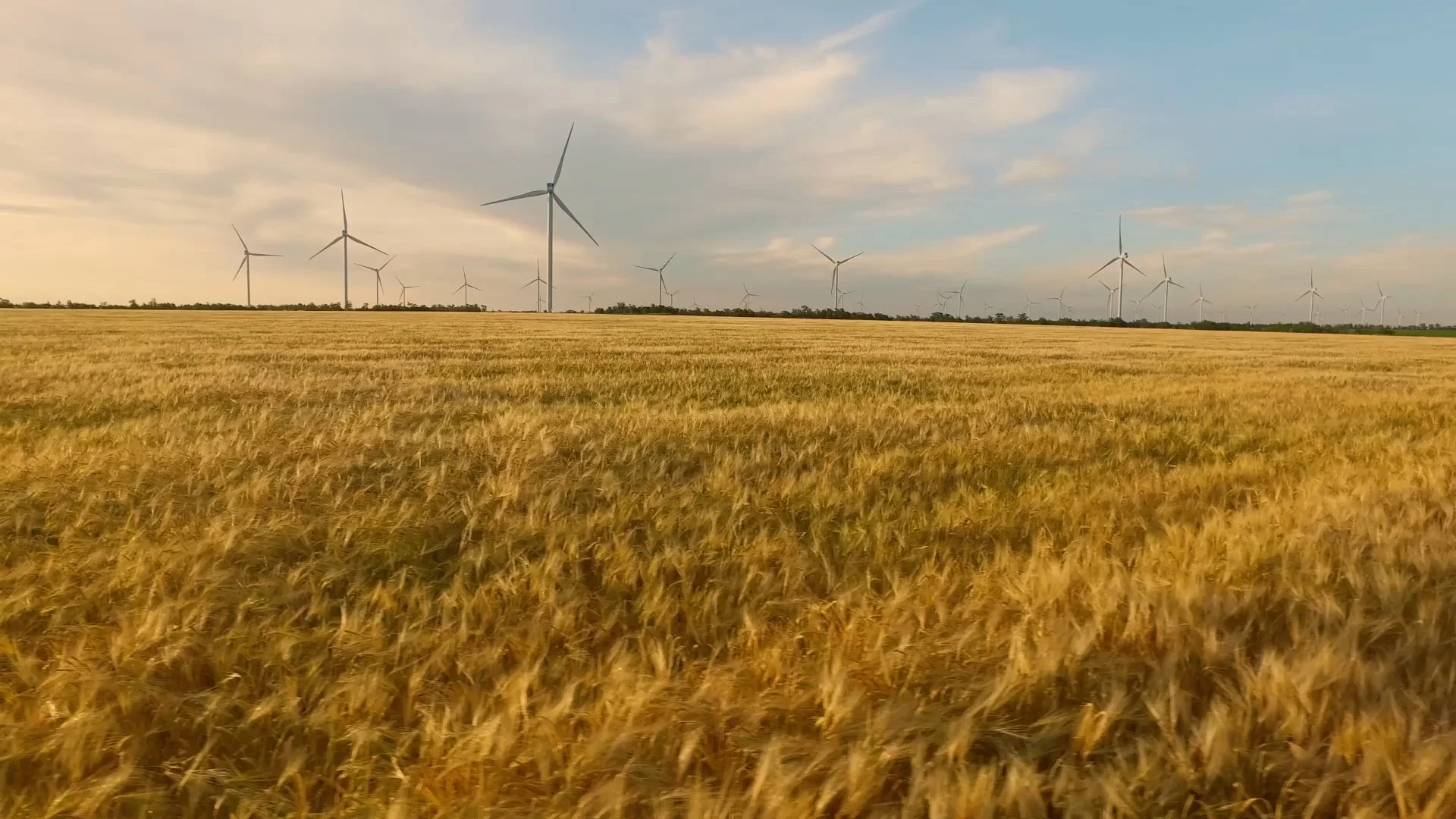
Bring honesty, transparency, & accountability back to Salem.
Rural working families expect growth to be fair, balanced, and accountable to the local people who live here.