

Investment in Rural Economy
Building a thriving economy in Eastern Oregon and across District 57 requires an approach grounded in local talent, real infrastructure, and the preservation of our main streets.
For too long, rural economic strategy has leaned on top-down policies framed in Salem that prioritize big industrial recruits over the independent small businesses, ranches, and trades that form the backbone of our communities.
Josiah’s vision centers on Investing in Our Own: Supporting local entrepreneurs, repairing rural infrastructure, keeping main streets vibrant, and ensuring young people can build rewarding, long-term careers right here at home.
Backing Local Main Streets and Hometown Small Businesses
Small businesses are the primary job creators in rural Oregon. Rather than chasing out-of-state corporate operations with tax breaks, state resources should empower the local shop owners, tradespeople, and independent operators who are already invested in our towns. The strongest economic foundation isn't built by importing multi-billion-dollar firms, it's built by supporting the neighbors who keep our main streets open.
Josiah’s Plan:
Expand access to practical technical guidance for rural entrepreneurs by strengthening local networks like the Columbia Gorge Small Business Development Center and regional economic development districts.
Cut unnecessary administrative red tape and simplify state licensing processes so family-owned ventures spend less time on paperwork and more time growing their business.
Direct state procurement opportunities toward local rural contractors, suppliers, and agricultural producers whenever public dollars are spent in our region.Supporting Local Stewardship over
Heavy-Handed Mandates

Modernizing Rural Infrastructure & Connectivity
A strong local economy relies on dependable physical and digital infrastructure. From safe roads to high-speed internet, investments must target the essential services that help local operations stay competitive. If we want our kids to stay and our businesses to compete, our roads, water systems, and internet must be as reliable as any big city’s.
Josiah’s Plan:
Secure targeted funding from the Oregon Department of Transportation to repair rural freight routes, county roads, and aging bridges essential for moving livestock, timber, and grain safely.
Accelerate last-mile broadband expansion across unserved and underserved rural areas so small businesses, farms, and homes have stable, affordable high-speed access.
Partner with local utility providers and irrigation districts to upgrade community water systems and grid capacity to handle steady, organic local growth.
Adding Value to Our Natural Resources and Agricultural Products
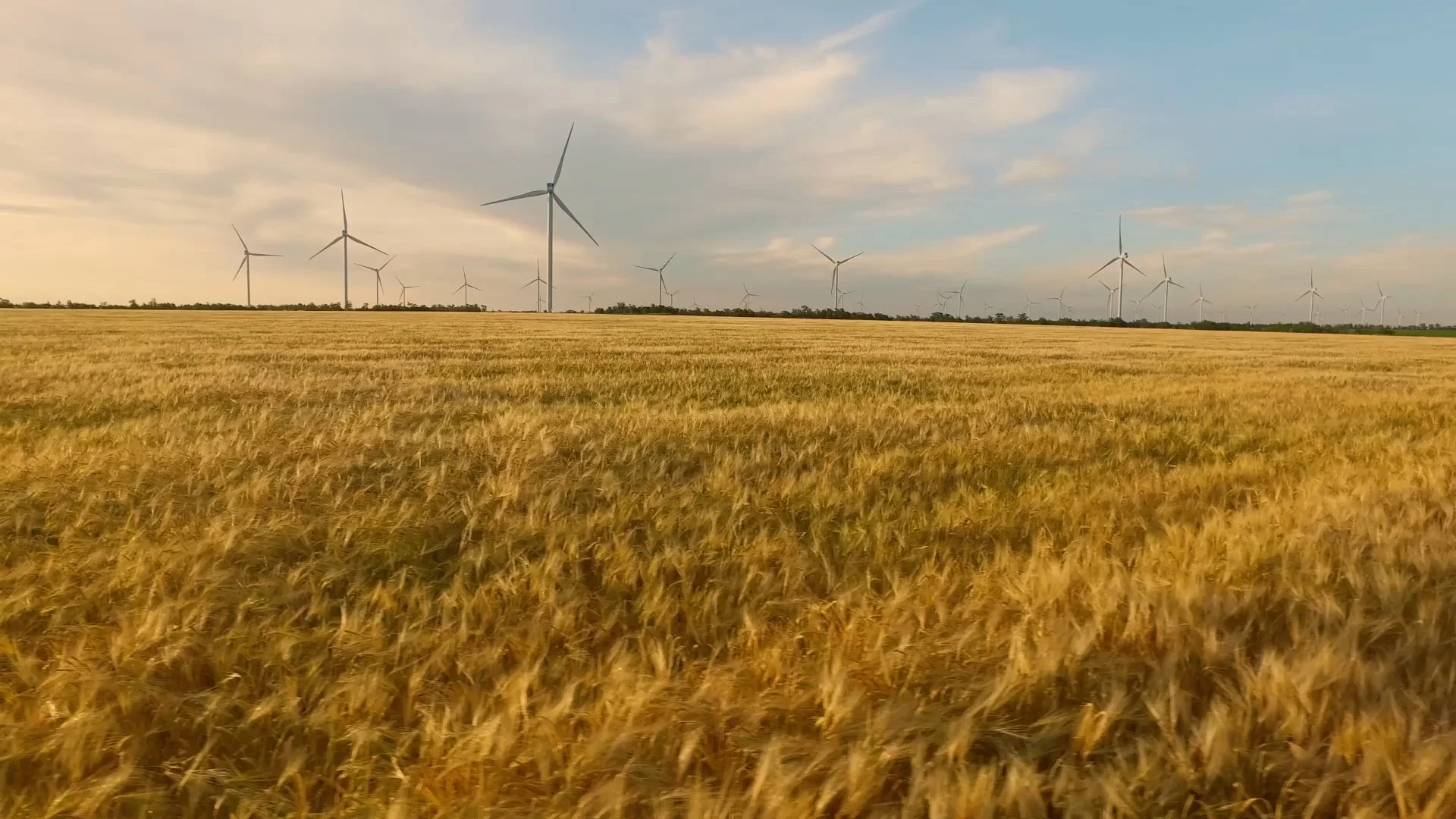
Eastern Oregon produces world-class grain, beef, fruit, and timber. Capturing more value locally from what we grow and harvest creates jobs and keeps profits circulating inside our local communities. We shouldn't just ship our raw products somewhere else, we should process, pack, and add value to them right here at home.
Josiah’s Plan:
Support micro-processing grants for small-scale USDA-inspected meat processing, grain milling, and food distribution hubs in rural counties.
Partner with groups like the Mid-Columbia Economic Development District and Greater Eastern Oregon Development Corporation to develop regional cooperative marketing and logistics networks for local agricultural producers.
Promote local agritourism, regional food networks, and natural resource stewardship projects that bring consumer spending directly to local farms, ranches, and small towns.
Bring honesty, transparency, & accountability back to Salem.
Rural working families expect growth to be fair, balanced, and accountable to the local people who live here.