

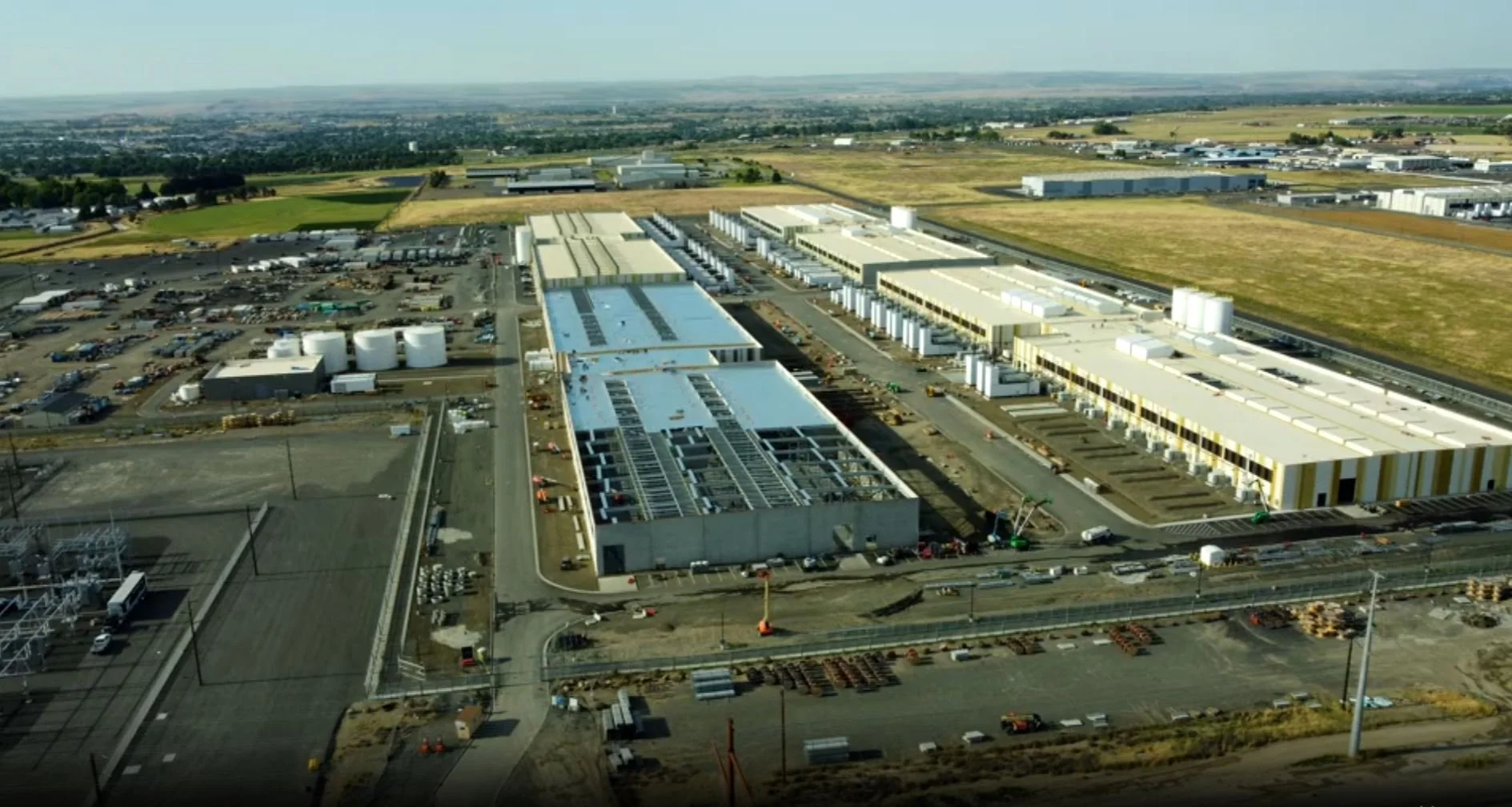
Community Needs Over Data Centers
In House District 57 and across Eastern Oregon, local lands, rivers, and power grids support major industrial energy and tech infrastructure. While digital development brings economic activity, rural working families expect growth to be fair, balanced, and accountable to the local people who live here.
The conversation centers on Community Needs Over Corporate Giveaways: ensuring rural taxpayers, farmers, and small businesses are treated as equal partners, not second-class priorities, when multi-billion-dollar tech operations set up shop.

Protecting Our Water and Local Resources
Data centers require massive amounts of local water for cooling systems. In a region where every drop of water matters for livestock, crops, and family wells, local natural resources must be safeguarded. Our water supply belongs to Eastern Oregon’s farms, ranches, and families first, not out-of-state servers.
Josiah’s Plan:
Require closed-loop, dry-cooling, or low-water technologies on new industrial data builds so precious groundwater and irrigation supplies are preserved.
Strengthen local groundwater monitoring and mandate strict oversight of industrial wastewater disposal to protect private residential wells from pollution and over-pumping.
Ensure that industrial operations fully cover the costs of their own water infrastructure instead of shifting utility expenses onto local ratepayers.
Fair-Share Community Investment & Tax Equity
For years, massive tax breaks through state programs (like standard Enterprise Zones) have allowed major corporations to save millions in local property taxes while providing relatively few permanent, local jobs. If you build in our backyard, you pay your fair share to support our roads, schools, and volunteer fire departments.
Josiah’s Plan:
Reinvest tax incentive dollars back into local rural services—directing funding toward county roads, rural fire protection districts, public safety, and local emergency services.
Leverage local agreement negotiations to secure direct community benefit funds for career technical education (CTE) programs in local high schools and community colleges.
Modernize incentive rules so that public support is directly tied to creating long-term, high-paying local jobs and tangible local economic returns.
Grid Reliability and Protecting Energy Rates
Data centers and expanding digital infrastructure consume substantial amounts of power, putting new pressure on regional power grids and rural electric co-ops. Rural families and small businesses shouldn't see their electric bills skyrocket to subsidize power for Silicon Valley tech firms.
Josiah’s Plan:
Require large industrial power consumers to fund their own electrical upgrades and bring dedicated, clean power sources online without diluting the local energy supply.
Protect rural utility customers by ensuring local utility commissions set rate structures that insulate homeowners, ranchers, and small business owners from industrial rate hikes.
Partner with local utility districts to strengthen grid resilience and backup capacity, keeping power dependable during winter storms and extreme summer heat.
Local Control and Transparency in Development
Decisions that impact the landscape of Morrow, Umatilla, Wasco, and surrounding counties should be made openly, with the community involved at every step. No secret backroom deals, local residents deserve a seat at the table when major industrial projects come to town.
Josiah’s Plan:
Mandate clear, open public hearings and full economic impact disclosures before any tax abatements or industrial zoning approvals are granted.
Empower and support county commissioners and city councils with the resources and legal backing needed to negotiate strong, enforceable agreements on behalf of their constituents.
Ensure full transparency regarding land use, energy demands, and tax incentives so community members know exactly how a project impacts them.

Bring honesty, transparency, & accountability back to Salem.
Rural working families expect growth to be fair, balanced, and accountable to the local people who live here.