

Family Farms & Water Quality
Protecting water quality while preserving Eastern Oregon’s agricultural heritage requires practical solutions that respect family farms and ranches. Across District 57, clean water and productive agriculture depend on each other.
Grounding water policies in local stewardship, voluntary incentive programs, and local oversight helps safeguard both rural livelihoods and natural resources.
I offer three core pillars for a positive, solution-focused approach to Family Farms & Water Quality
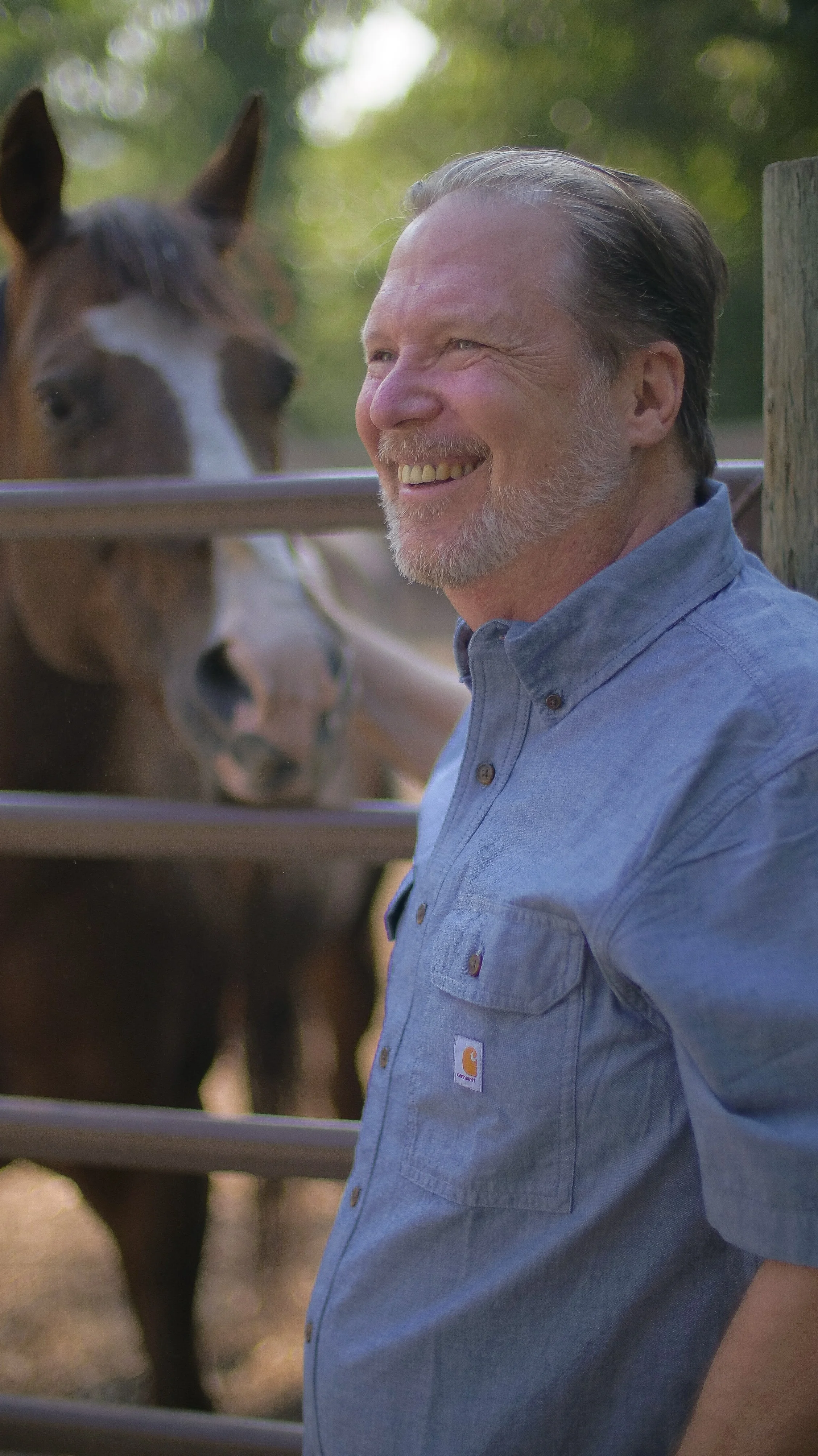
Supporting Local Stewardship over
Heavy-Handed Mandates
Farmers and ranchers in Eastern Oregon have been caretakers of the land for generations. Protecting water quality works best when the state acts as a supportive partner providing tools and financial assistance, rather than a distant regulatory body imposing rigid rules.The best water conservation ideas come from the people who work the land, not from offices in Salem.
Josiah’s Plan:
Direct state funding to local Soil and Water Conservation Districts (SWCDs) and Watershed Councils so technical expertise and cost-share dollars stay under local control.
Strengthen voluntary conservation programs that help operators install off-stream stock tanks, exclusionary livestock fencing, and hardened stream crossings.
Ensure the Oregon Department of Agriculture’s Water Quality Management Area Plans remain locally led through Local Advisory Committees (LACs) made up of actual area producers.

Investing in Modern Irrigation and Water Infrastructure
Efficient water use protects stream levels, conserves groundwater, and improves farm output. Upgrading aging irrigation systems is one of the most effective ways to safeguard water quality without cutting production. Modernizing water infrastructure keeps our farms productive while keeping our rivers and aquifers healthy.
Josiah’s Plan:
Secure grant funding and low-interest loans for local producers to transition to high-efficiency drip systems, low-pressure pivots, and tail-water recovery ponds.
Support irrigation districts with main-canal piping and lining projects that prevent seepage loss and reduce unwanted runoff carrying sediment or nutrients back into streams.
Expand voluntary groundwater monitoring programs so family farms have reliable data to manage water table levels in stressed basins across Morrow, Umatilla, and surrounding counties.
Safe Drinking Water for Rural Families
Maintaining clean drinking water in private wells and rural municipal systems is essential for family health and community safety across District 57.
Every family in Eastern Oregon deserves clean, safe drinking tap water, and the tools to keep it that way.
Josiah’s Plan:
Expand state and county programs offering free, voluntary testing for domestic well water to catch nitrate or heavy metal contamination early and protect people's health.
Provide direct grant relief to rural households and low-income property owners needing filtration systems, deeper well drilling, or wellhead protection upgrades.
Partner with local agricultural groups to implement practical cover cropping and precision fertilizer application methods that prevent nutrient runoff from reaching shallow groundwater aquifers.
Bring honesty, transparency, & accountability back to Salem.
Rural working families expect growth to be fair, balanced, and accountable to the local people who live here.